
A scuffed hallway or a few nail holes can make an otherwise comfortable room look unfinished. Although, does fixing those spots mean repainting everything? We recommend starting with the condition of the existing finish: a small, isolated mark may be a good touch-up candidate, while widespread wear or a visible paint mismatch often calls for repainting the entire wall.
At Myrtle Beach Painters LLC, we help homeowners refresh individual rooms and larger interiors. Before you plan an update, here’s how we suggest deciding whether a small repair will give you the appearance you want, or simply leave a more noticeable patch.
When Is a Paint Touch-Up Worth Trying?
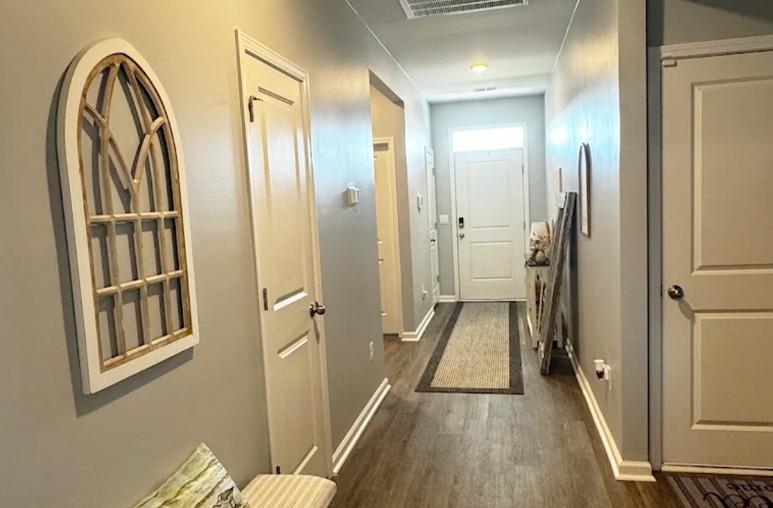
We recommend considering a touch-up when damage is limited, the surrounding paint still looks good, and you have the original paint available. A small nick behind a chair is a different project from a hallway covered in handprints, dents, and older repairs.
First, distinguish surface dirt from damaged paint. Following the coating manufacturer’s cleaning directions, test a gentle cleaner in an inconspicuous area. If the mark comes off without changing the finish, you may not need paint at all. Avoid repeatedly scrubbing a stubborn spot; rubbing can leave a shinier area that becomes its own problem.
For an actual paint repair, check the original can for the product name, color formula, and sheen. Matching only the color name leaves important variables unresolved. If the leftover paint is contaminated or no longer mixes properly, ask the paint supplier whether it remains usable before applying it.
Why Does Touch-Up Paint Sometimes Look Different?
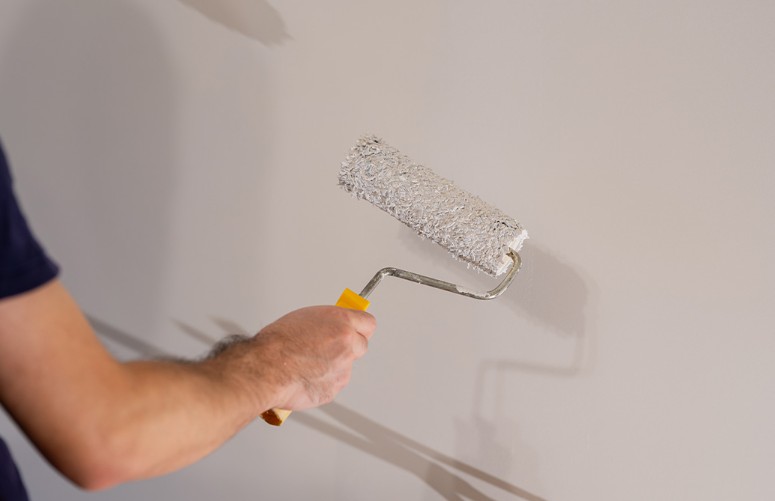
A matching color does not guarantee an invisible repair. We recommend looking at three separate characteristics: color, sheen, and texture. A spot can match one and still stand out because another differs.
Application Texture Has Changed
A brush leaves a different surface pattern from a roller. Even with the original paint, brushing a patch onto a rolled wall can make the repair catch the light differently. Using the original type of applicator and a comparable roller texture improves the chance of blending the repair.
Wall Reflects Light Unevenly
A shiny or dull patch is often described as flashing. Uneven coating thickness or differences in surface porosity can contribute to that appearance. Bare repair compound may absorb paint differently from the surrounding painted wall, so an appropriate primer may be needed before the finish coat.
We suggest examining the wall both straight on and from an angle. In a Myrtle Beach room with broad windows or glass doors, daylight may reveal a patch that looks acceptable under evening lamps. The same wall deserves a check under both conditions before you decide the repair is successful.
When Should You Repaint the Entire Wall?
We recommend considering a full-wall repaint when multiple touch-ups remain visible, the original coating is unknown, or wear extends across much of the surface. Repainting to corners and other natural boundaries gives you a continuous finish instead of a collection of isolated repairs.
For example, several filled picture holes above a sofa may be individually small, but their combined appearance can draw attention across the wall. Repainting that wall may be more practical than repeatedly adjusting each patch. This is a planning example, not a guarantee that every small repair requires a larger project.
Our interior house painting services can cover a single room or a broader refresh. We prepare surfaces, address appropriate imperfections, and protect furniture and floors during the work. If you’re deciding how much to include, identify the walls that bother you most and discuss those priorities with our painting team.
A full-wall repaint does not automatically require repainting the ceiling, trim, or every adjoining room. We suggest defining the scope around both surface condition and what you can see from normal living areas.
Should You Paint One Wall or the Whole Room?
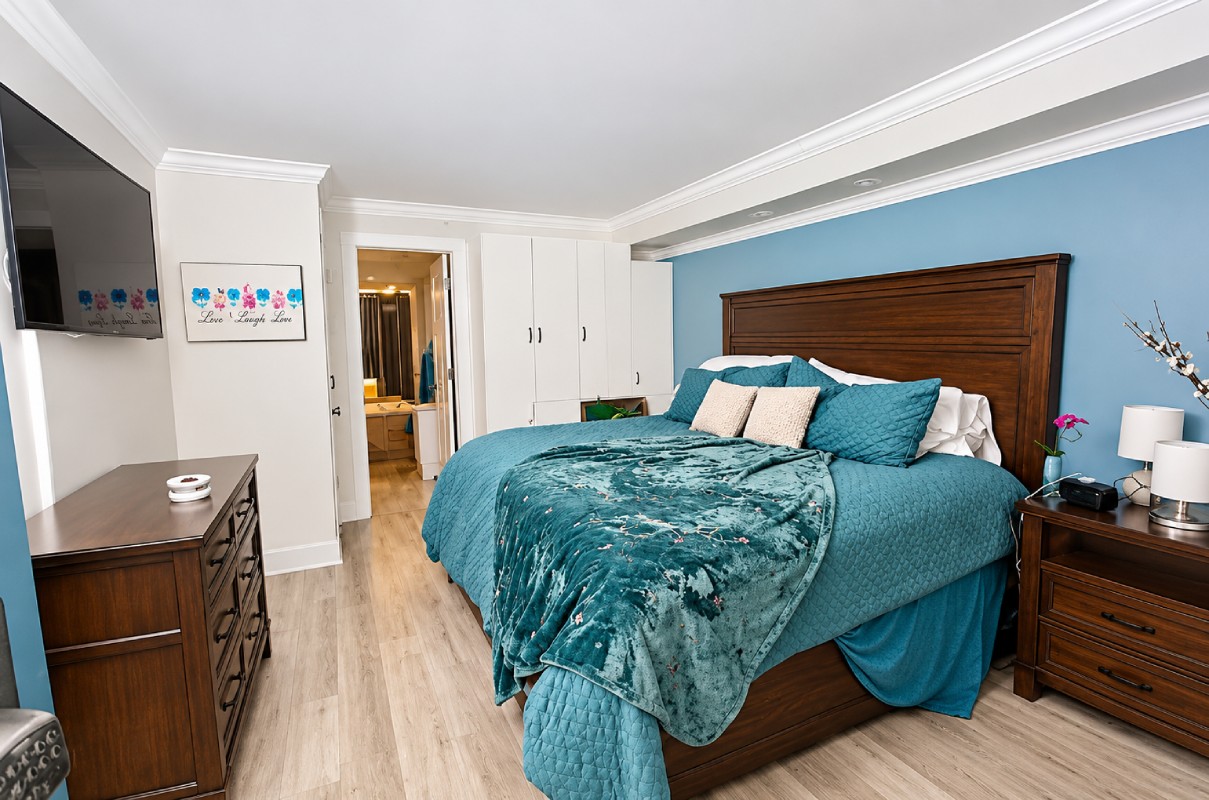
We recommend starting with the smallest complete area that can deliver a consistent result. One damaged wall in an otherwise well-kept bedroom may be a reasonable project. A living room with fading, repeated repairs, and several worn walls may benefit more from repainting the room.
Walk through connected spaces before deciding. In an open floor plan, a wall may continue from the kitchen into the living area without an obvious stopping point. Corners, doorways, and changes in wall direction can help define a sensible boundary; stopping halfway across a continuous surface usually makes a transition harder to hide.
If your project becomes an opportunity to change colors, we offer a free 30-minute online color consultation. For a broader budget discussion, our guide to house painting costs in Myrtle Beach explains the factors that affect an estimate without treating every home as the same project.
What Should You Check Before a Refresh?
We suggest separating cosmetic wear from an underlying problem before choosing the painting scope. A recurring water stain, bubbling coating, or damp area needs its cause addressed before repainting. New paint cannot repair a leak or correct ongoing condensation.
For homes used seasonally along the Grand Strand, check the rooms while they are occupied and conditioned as usual. Tell us if the home will be vacant during the project and discuss access, indoor conditions, and the date you need the space available. Those details help frame a practical conversation about the work.
If guests are arriving, ask about availability early and allow time for preparation and the selected paint’s drying and curing requirements. We don’t recommend treating “dry to the touch” as permission to scrub the wall or push furniture against a fresh finish.
Once you decide to repaint, our interior painting preparation guide can help you understand the next stage. Keeping that preparation separate from the scope decision makes it easier to plan what actually needs attention.
Let’s Plan the Right Interior Painting Project
You don’t need to commit to repainting your entire home because one wall looks tired. We can help you discuss the affected surfaces, your priorities, and a practical interior painting scope. Request your free painting estimate from Myrtle Beach Painters LLC or call 843-360-2215 to start planning your refresh.